Full Basement Waterproofing in Indianapolis, IN
Full basement waterproofing in Indianapolis, Indiana usually means collecting water inside and pumping it away, or sealing the wall from outside. A short form lets you ask one independent local contractor to contact you about a visit and a written estimate.
Not sure if we cover your area? Check now ↓
Basement Estimate Request
Takes about 30 seconds. One local contractor gets it and contacts you.
Your details go to one independent contractor who works around Indianapolis, IN, and that contractor gets in touch with you directly. See our Referral Marketing Disclosure.
Waterproofing a Basement, Explained
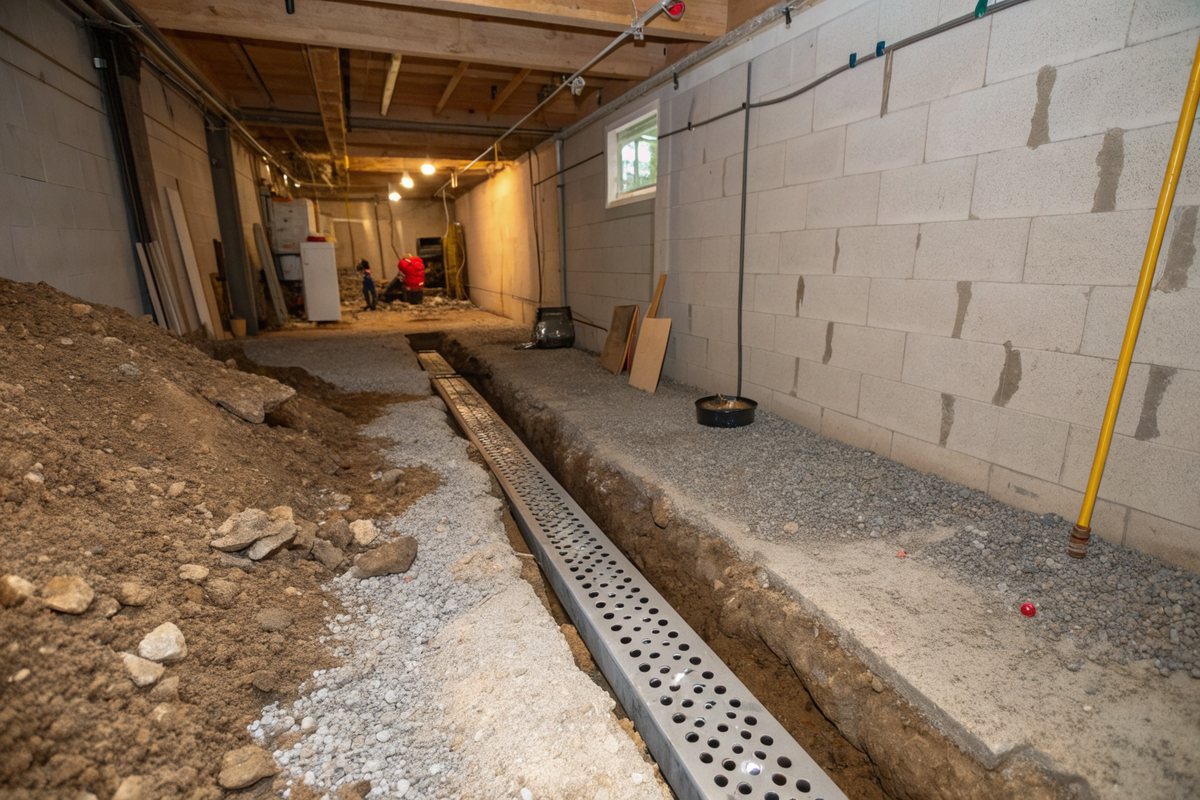
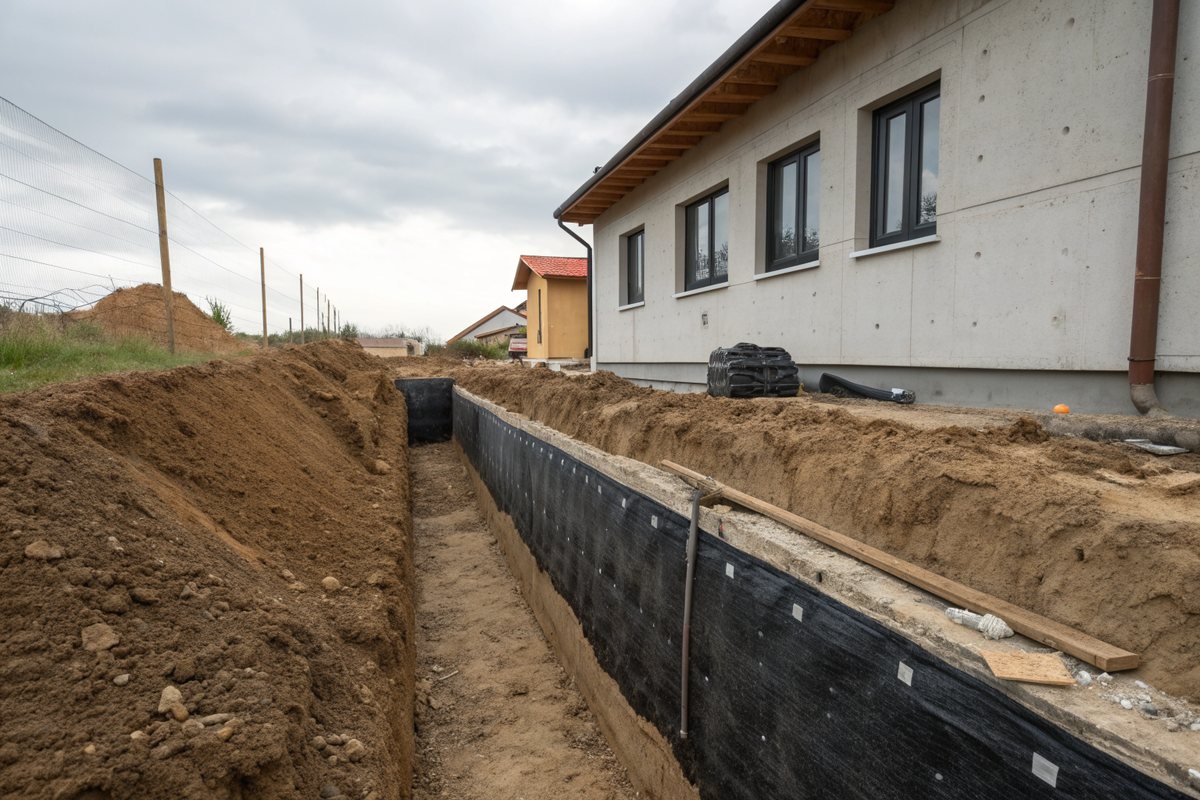
Inside systems are more common: perforated pipe in clean stone under the slab's edge, sloping to a pit whose pump sends water to the yard. Outside work means excavating to the footing and wrapping the wall in a membrane, which keeps water off the masonry but disturbs the yard.
About 16% of Indianapolis homes were built in 1939 or earlier and about a third before 1960 (Census survey data). Meridian-Kessler grew mostly in the 1920s and 1930s, and Irvington filled with bungalows after 1913 (Encyclopedia of Indianapolis). Houses of that era often have brick, block or poured walls that can leak at mortar, cracks and the floor joint. Newer homes often have none: in 2023, 47% of new homes in Indiana and neighboring Great Lakes states were built on slabs (Indiana Public Broadcasting), so this page is for homes with basements.
Glacial till of clay to boulders covers Marion County's uplands, with sand and gravel along the White River and other large streams (Encyclopedia of Indianapolis). Clay-rich till can hold water against a wall, and the riverside layers can carry groundwater.
Typical Reasons to Request Basement Waterproofing
- Water along the floor edge. An interior perimeter drain in stone, sloped to a sump.
- No pit, or a pump that can't keep up. A new pit and pump, check valve and alarm, discharging outdoors.
- One wall that leaks end to end. Digging on that side, then a membrane.
- Damp walls and a musty smell. Signs of moisture worth tracing.
How Pricing Usually Works
| Cost row | Figure | Source (year) |
|---|---|---|
| Typical basement waterproofing project | about $3,000 to $10,000 (average about $5,000) | Fixr national (2026) |
| Interior perimeter drain, per linear foot | $40 to $120 | Fixr national (2026) |
| Sump pump installation | $600 to $2,500 | Fixr national (2026) |
| Epoxy crack injection, per crack | $250 to $1,000 | Fixr national (2026) |
| Waterproof paint or sealant, per sq ft | $1 to $8 | Fixr national (2026) |
These are national ranges, since no Indiana source exists; this site prices nothing. The cost calculator gives a rough range by basement size.
How a Contractor Approaches It
- A written plan. Which walls, how many feet of drain, which pump, and where its line leaves the house.
- Permits. Within Indianapolis, foundation, excavation and structural repairs generally call for a City permit, with plumbing or sewer work permitted separately by a licensed plumbing contractor. The contractor, not you, files them.
What You Get by Asking Here
Plain information, and contact from one independent local contractor if you want it. This free referral and advertising service is not a contractor or plumber, does no work and never handles a contract. Contractors may pay it a flat advertising fee, currently waived during a trial; homeowners never pay it or receive anything from it.
Licensing in Indiana is local rather than statewide, so ask what the contractor holds for your address. Any job over $150 needs a written contract, signed by the contractor before you sign. Check that it shows:
- Who and when. Both parties' names and addresses, who handles problems, the date offered and any deadline to accept.
- The work itself. Feet of drain, which walls, pump details, discharge point, materials and approximate dates.
- Price and payment. The total price, and no down payment before the contractor signs; the Attorney General suggests no more than a third.
Questions Homeowners Ask
Why won't waterproof paint hold the water back?
A coating sits on the room side, but the water arrives from the soil side. When wet clay presses on the wall, moisture moves through the masonry and pushes the film loose in blisters. A wall that takes on water in heavy rain usually needs drainage instead.
Can the sump line run into the sewer?
Not into the sanitary sewer. Citizens Energy says sump pumps should discharge outdoors or to a storm sewer, and it sends a letter requiring repair when it finds clear water entering the sanitary line. Joining a pump to any pipe is work for a licensed plumbing contractor.
Do I need a dehumidifier once the drain is in?
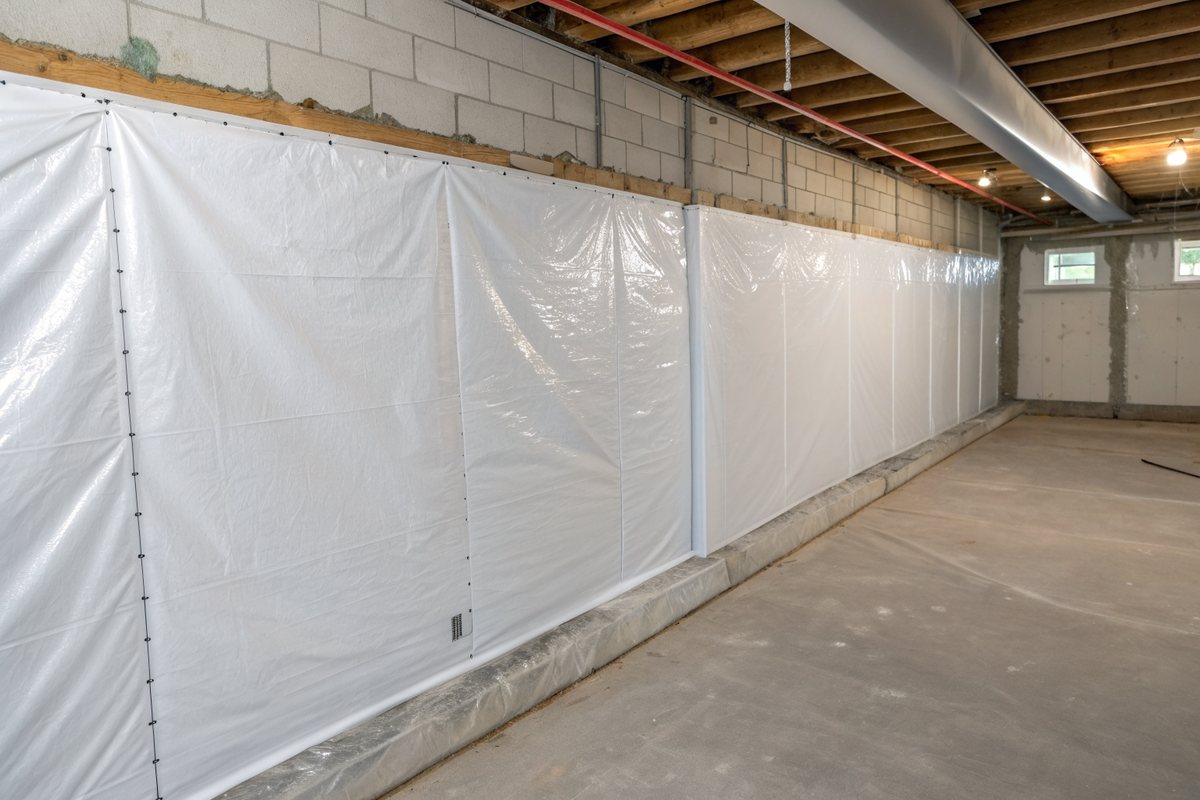
A drain handles only water that reaches it. Humid Central Indiana summers still leave condensation on cool walls, so many owners run a self-emptying dehumidifier and add a vapor barrier. Ask if the estimate includes either.
Does an inside drain need a City permit?
Whether interior drain tile or a pump emptying into the yard needs one isn't settled here, so ask the permit office at (317) 327-8700. Digging along the foundation or structural repair generally does need one. Nearby towns have their own offices.
Does a waterproofing warranty stay with the house if I sell?
Only if its terms say so. Ask for the written warranty: what it covers, how long it lasts and whether a buyer inherits it. Changes along the way belong on a signed change order.
Related Services
One wet corner may only need basement leak repair or foundation crack repair; see also sump pump installation and basement drainage.
Find Out What Waterproofing Would Cost
Note which walls get wet and when. One independent local contractor then reaches out about a visit and a written price, and going ahead is your decision alone. The form takes a couple of minutes.